
Optimal Timing for Asphalt Service
Understanding the optimal timing for asphalt service is essential for ensuring the longevity and durability of paved surfaces. Proper scheduling can prevent common issues such as cracking, potholes, and surface deterioration, which are often exacerbated by unsuitable weather conditions.
Spring offers moderate temperatures ideal for asphalt repair and sealing, reducing the risk of surface damage due to extreme weather.
Summer provides warm, dry conditions that facilitate effective asphalt installation and repairs, though excessive heat can sometimes cause softening of the material.
Fall is suitable for sealing and repairs before winter, with cooler temperatures helping the asphalt cure properly.
Winter is generally not recommended for asphalt work due to cold temperatures and potential for freeze-thaw cycles that can damage freshly laid asphalt.
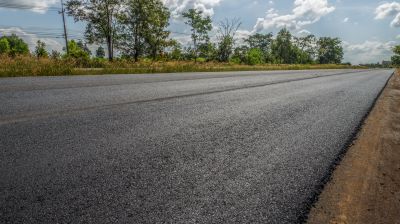
Springtime paving benefits from milder weather, enabling better adhesion and curing.
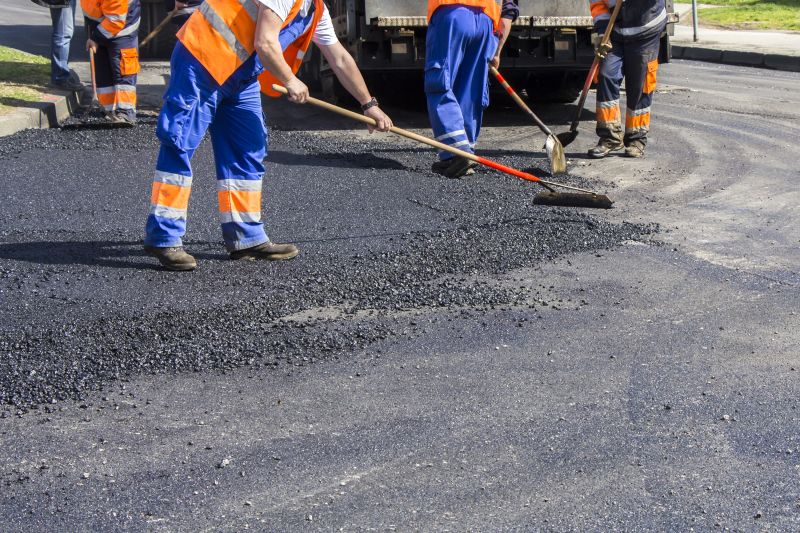
Warm summer days facilitate efficient asphalt work, reducing project duration.
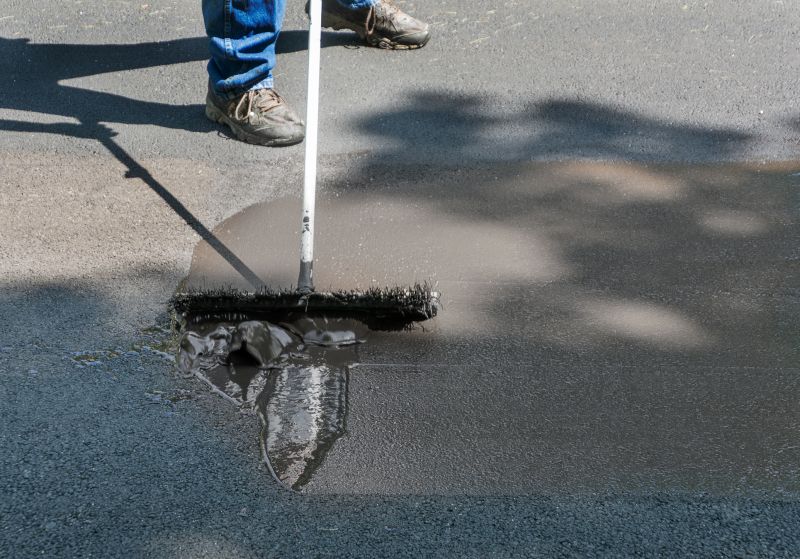
Fall is ideal for sealcoating to protect asphalt surfaces before winter.
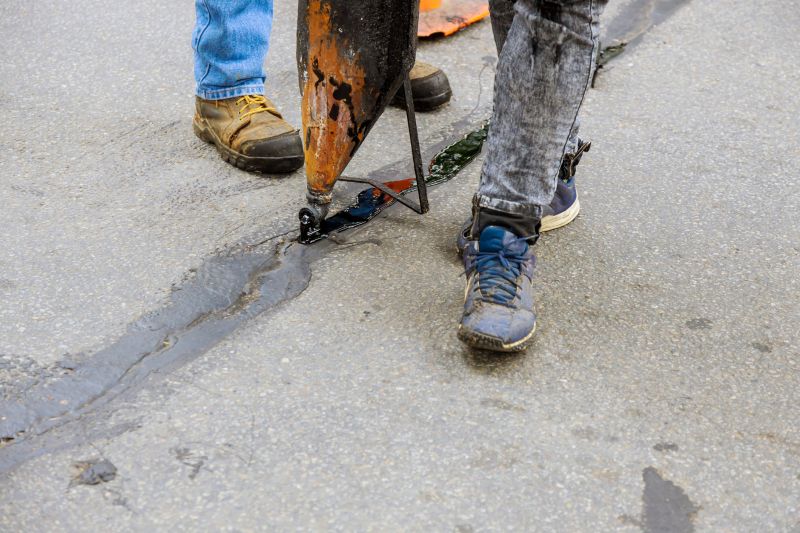
Cold weather can hinder asphalt application and curing, making winter less suitable.
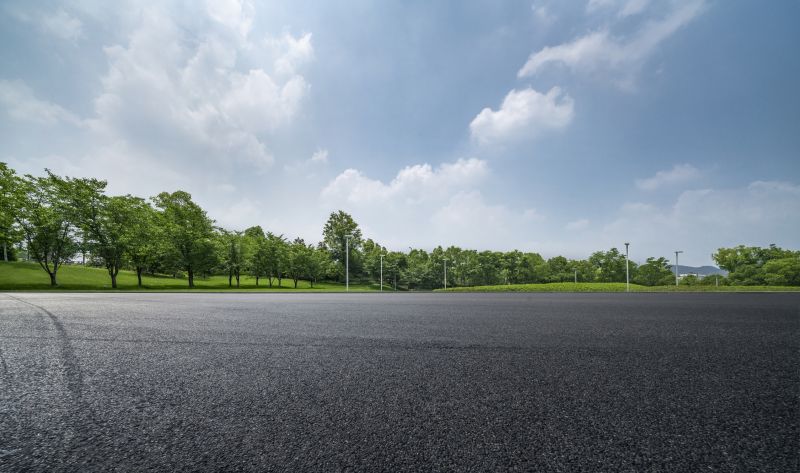
Ways to make Asphalt Service work in tight or awkward layouts.
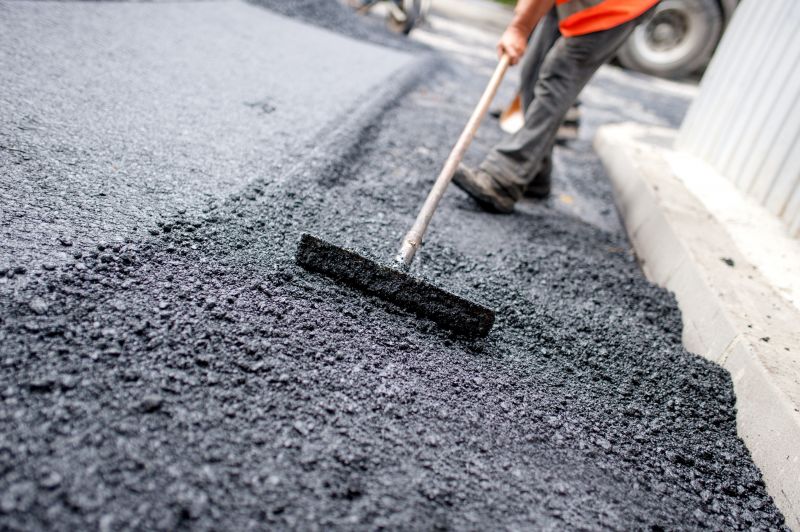
Popular materials for Asphalt Service and why they hold up over time.
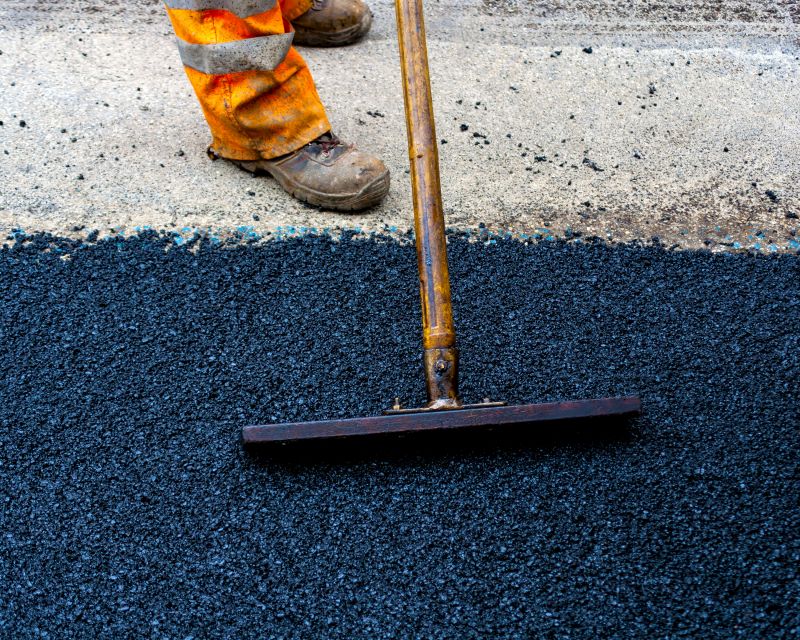
Simple add-ons that improve Asphalt Service without blowing the budget.
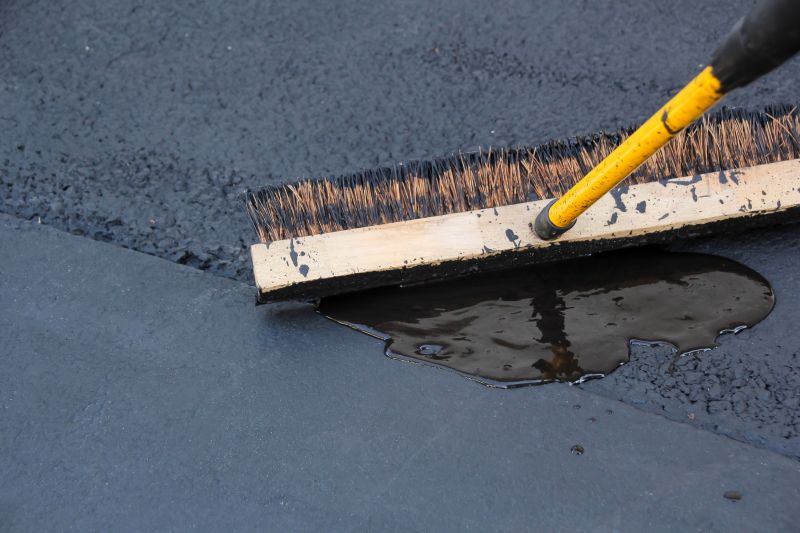
High-end options that actually feel worth it for Asphalt Service.
| Season | Recommended Activities |
|---|---|
| Spring | Surface repairs and sealing |
| Summer | Paving and repairs in dry conditions |
| Fall | Sealcoating and surface preparation |
| Winter | Limited asphalt work, primarily planning |
Asphalt service encompasses a range of maintenance and repair activities designed to extend the lifespan of pavements. Regular inspections and timely interventions can prevent costly repairs and surface failures. Properly scheduled asphalt work ensures surfaces remain safe, functional, and visually appealing. Weather conditions play a crucial role in the success of asphalt projects, with ideal temperatures promoting proper compaction and curing processes. In regions with distinct seasons, planning around weather patterns maximizes the effectiveness of each service.
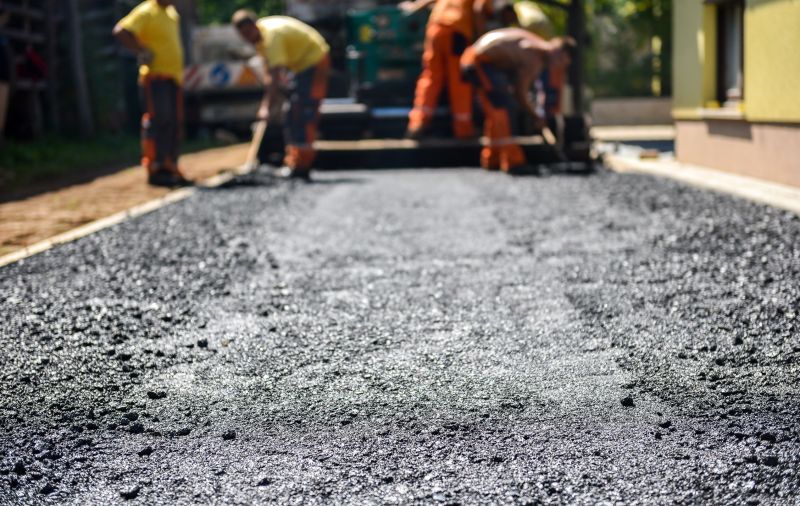
Resurfacing restores the surface quality and extends pavement life.
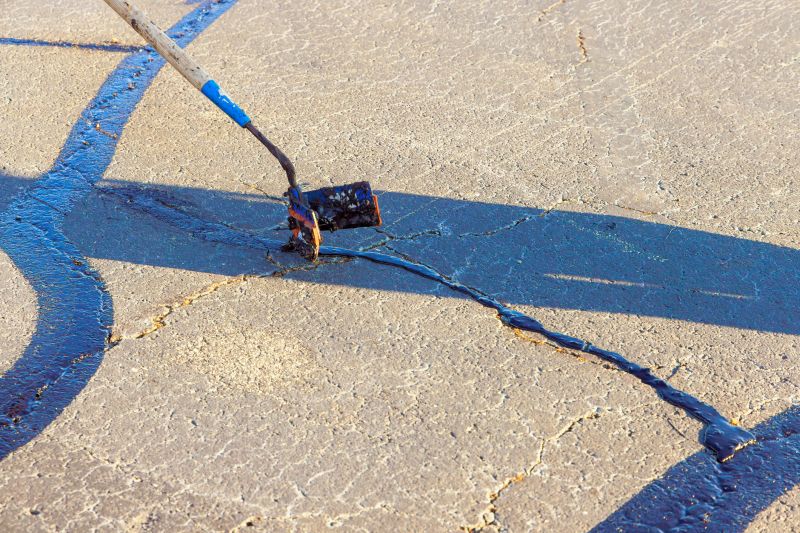
Sealcoating provides a protective layer against weather and wear.
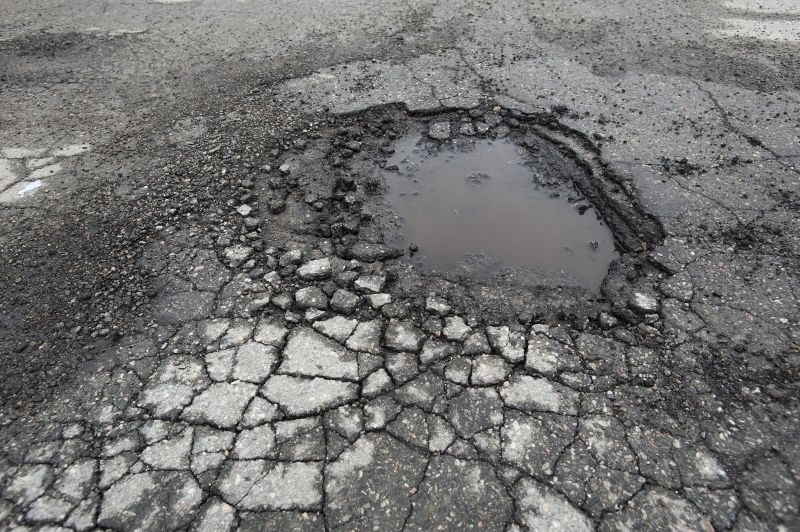
Addressing potholes promptly prevents further deterioration.
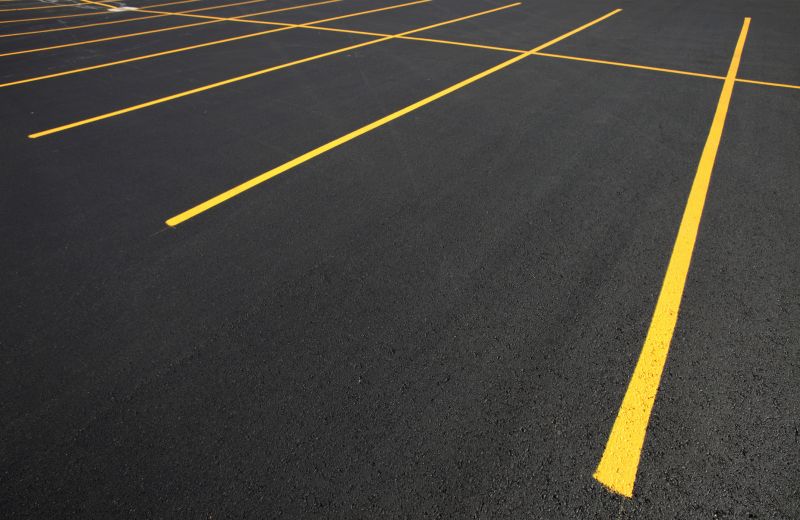
Proper striping enhances safety and organization on asphalt surfaces.
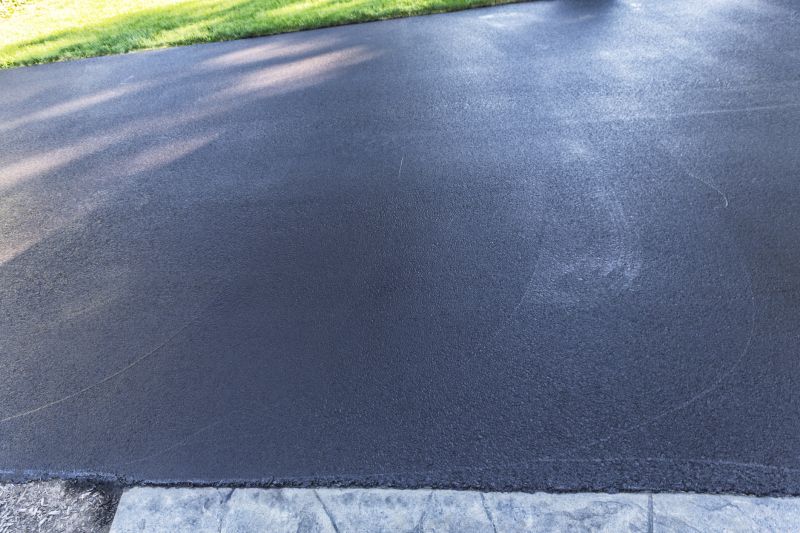
Finishes and colors that play nicely with Asphalt Service.
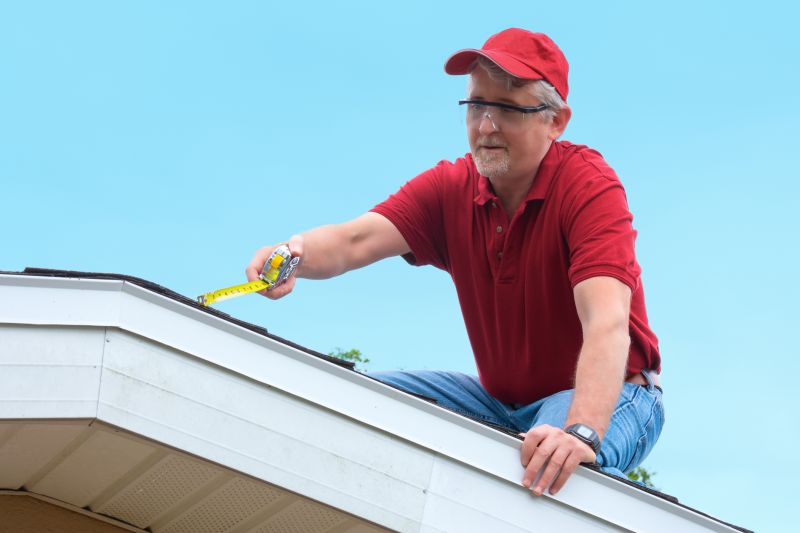
Little measurements that prevent headaches on Asphalt Service day.
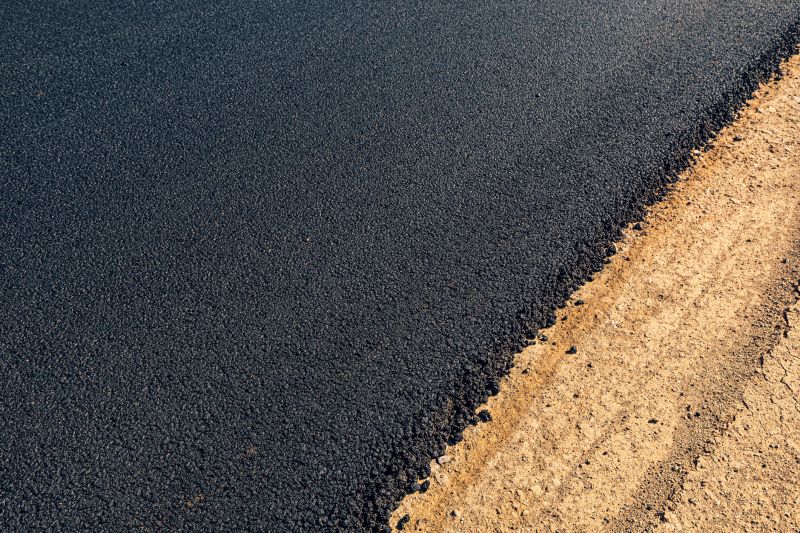
A 60-second routine that keeps Asphalt Service looking new.
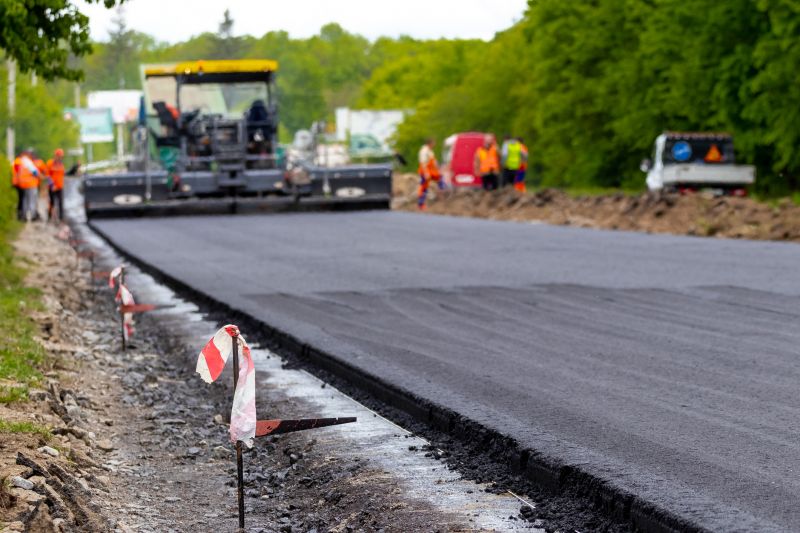
A frequent mistake in Asphalt Service and how to dodge it.
Scheduling asphalt services during the appropriate seasons ensures optimal results and durability. Spring and fall are generally preferred for most maintenance activities due to moderate temperatures and stable weather conditions. Summer can be suitable for certain projects, provided temperatures are not excessively high. Winter work is typically limited to planning or minor repairs, as cold and moisture can compromise asphalt quality. Proper timing, combined with quality workmanship, can significantly enhance the lifespan of asphalt surfaces.
Interested in scheduling asphalt maintenance? Contact for more information and assistance.